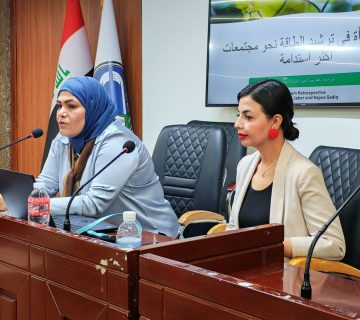
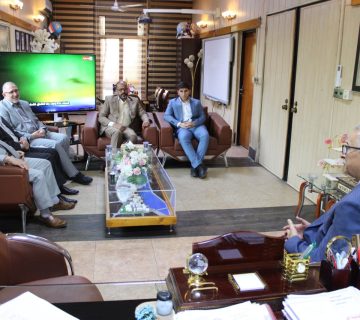
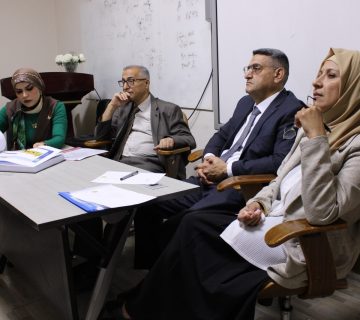
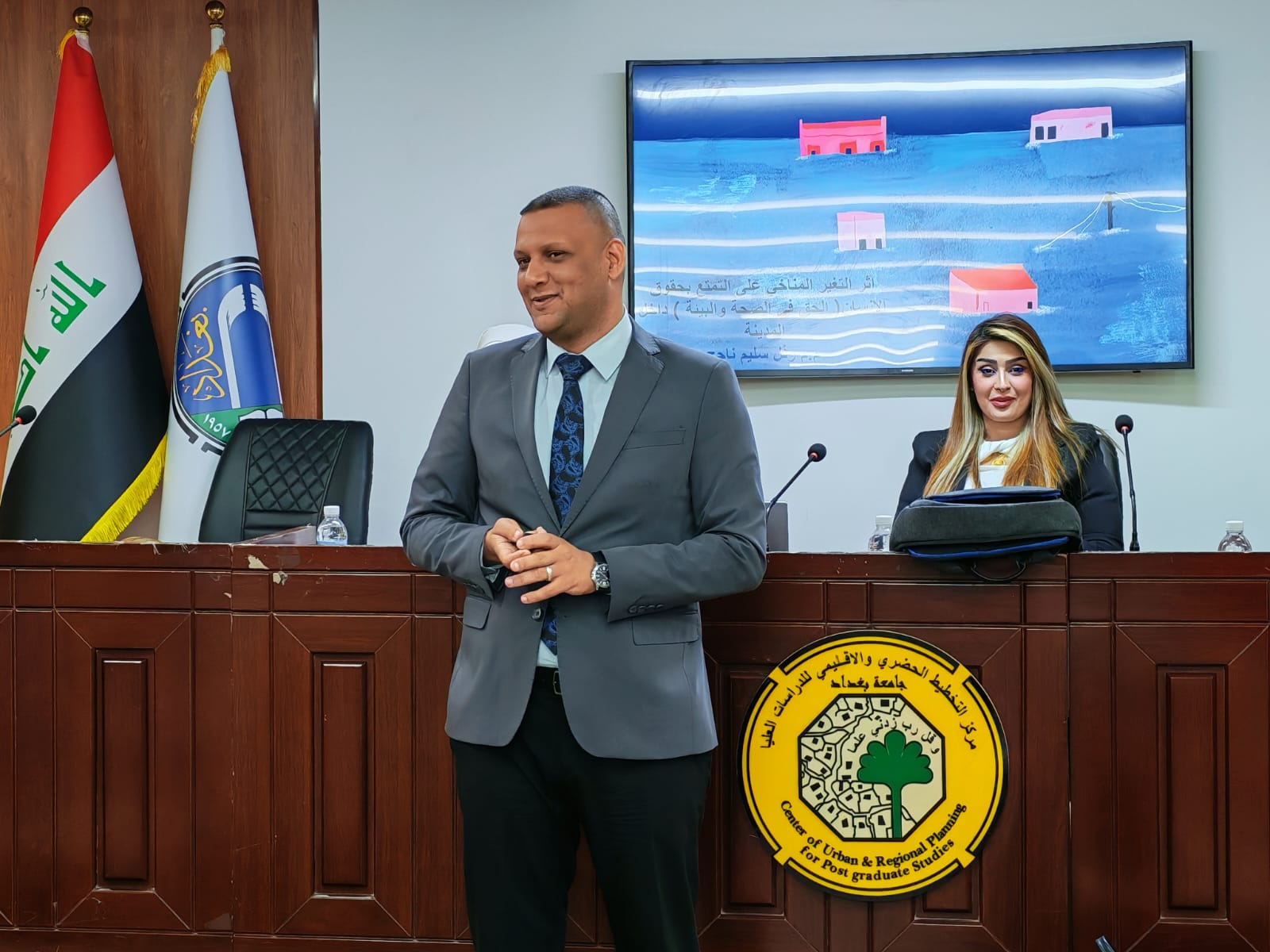
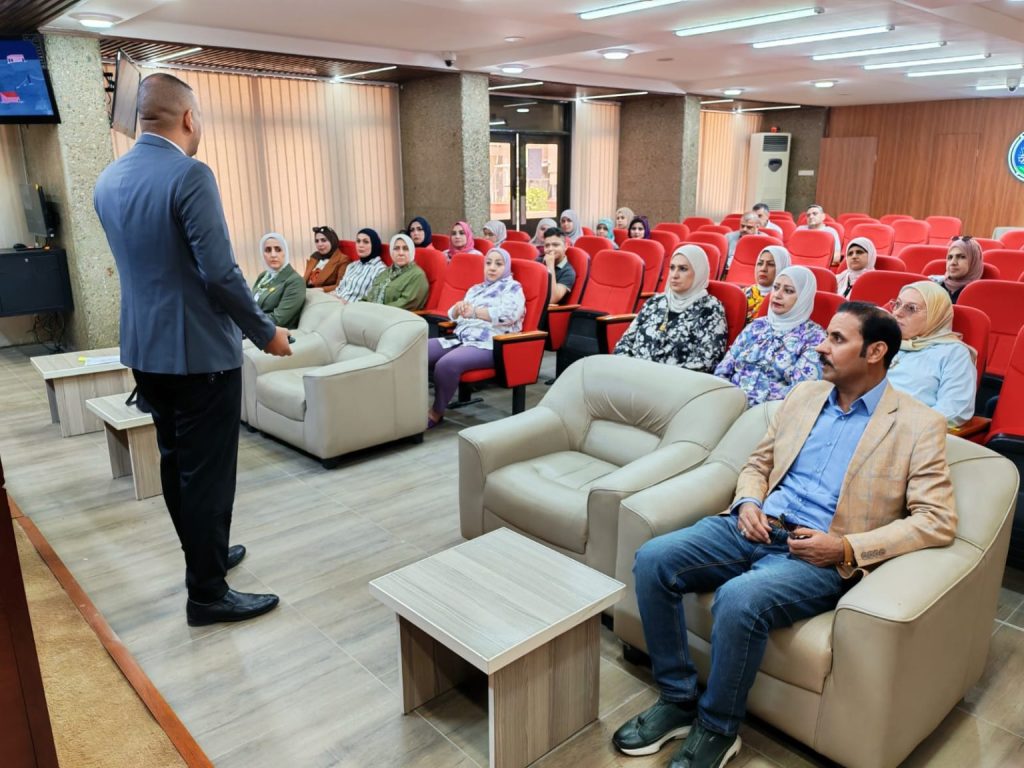
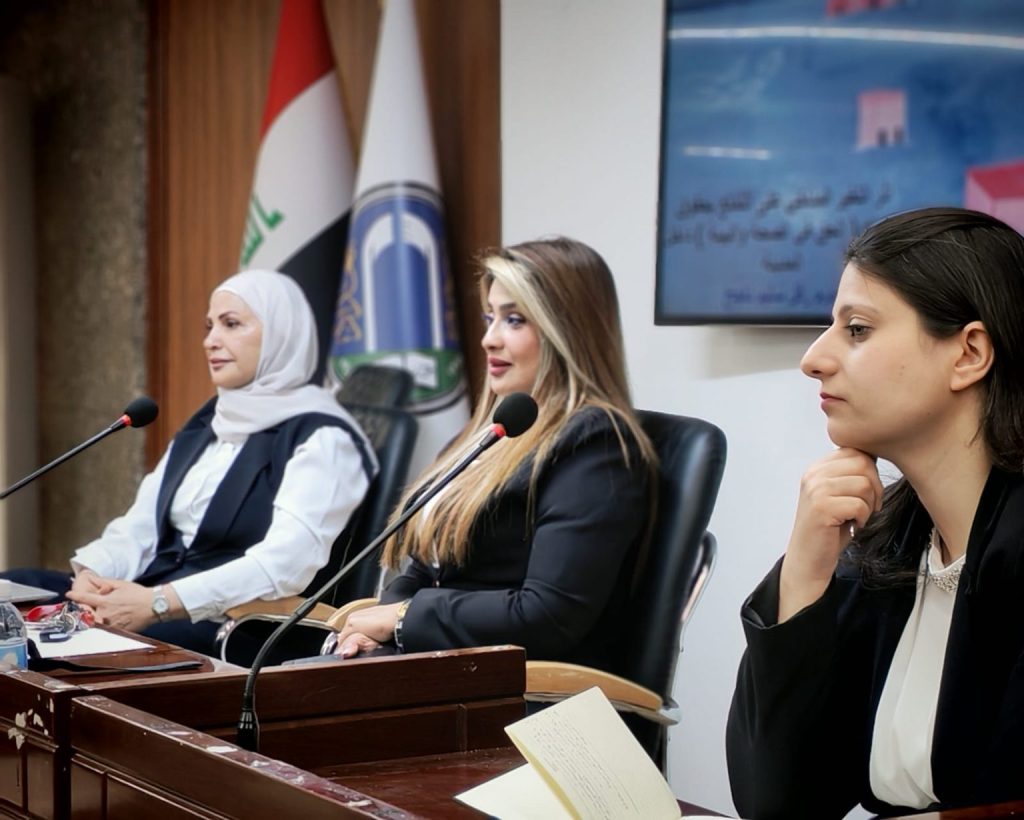
The Human Rights Unit at the Center of Urban and Regional Planning for Postgraduate Studies at the University of Baghdad, in cooperation with the High Commission for Human Rights, held a scientific workshop entitled “The Impact of Climate Change on the Enjoyment of Human Rights.”
The workshop aimed to promote a culture of living with dignity in our cities today, in accordance with international agendas and conventions. It also aimed to shift consumption patterns to contribute to preserving individual rights in sustainable cities that guarantee a decent quality of life. Furthermore, the workshop emphasized the need to integrate with existing global practices for simple preventative measures to address sudden crises and to raise public awareness of these measures.
International trainers at the workshop addressed the nature of climate change facing our cities today and its causes, such as the use of fossil fuels, encroachment on green spaces, water waste, deforestation, and the increased use of private transportation, which has become a major cause of environmental pollution. They also discussed the disappearance of green cover around cities, which has led to desertification and drought.
Dr. Enas Diaa, the head of the Human Rights Unit at the Center, confirmed that the workshop produced a number of recommendations, the most important of which are strengthening the principles of environmental and urban sustainability at the level of the natural environment and the built environment in urban and rural areas, and focusing on the rights of vulnerable groups in society such as women, the disabled, the elderly and children, as they are the most affected group as a result of sudden climate changes, and moving towards resilient cities capable of facing crises and sudden incidents in the shortest time and with the least effort as proactive measures to face disasters and crises if they occur.